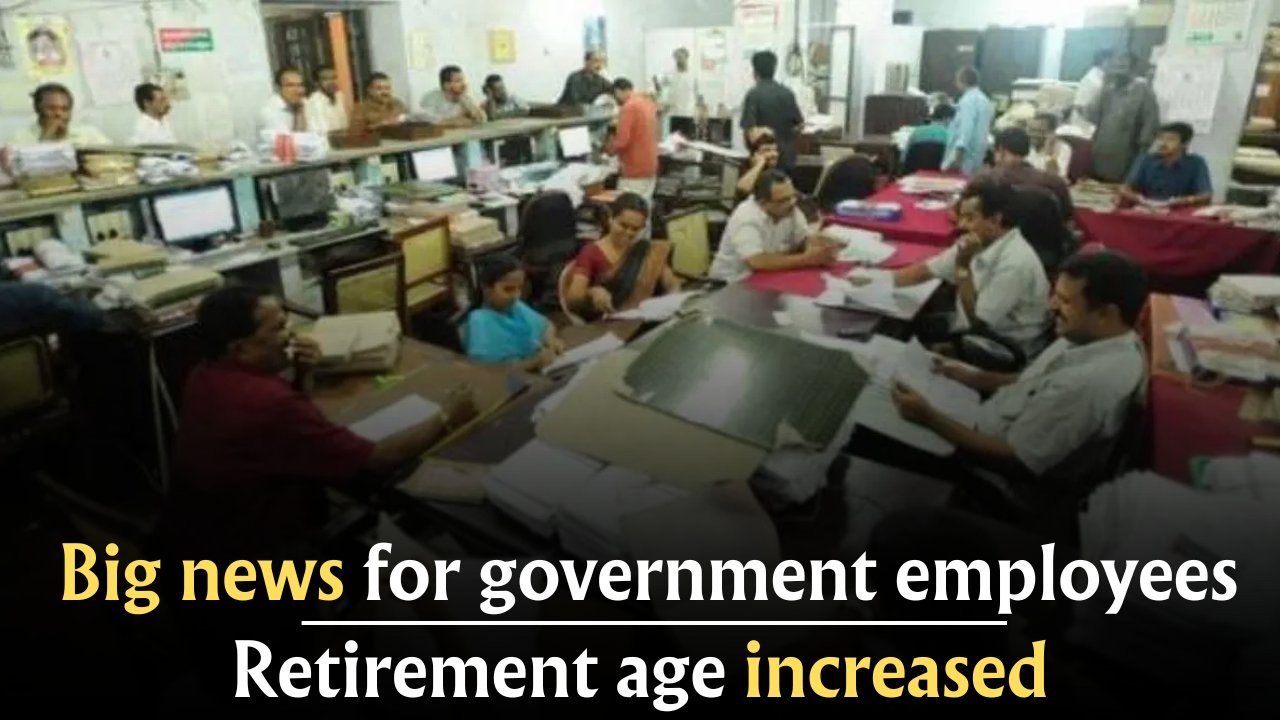
(New Retirement Age Hike Latest News) : In a major policy shift, the government has announced an increase in the retirement age for government employees. This decision aims to provide long-term job security, financial stability, and better workforce management. The new retirement policy is expected to benefit millions of employees while also helping the government tackle workforce shortages in key sectors.
Why the Government Increased the Retirement Age?
The decision to raise the retirement age was influenced by several factors, including:
 PM Kisan Yojana : केंद्र सरकार की ओर से बड़ा अपडेट, इन किसानों को नहीं मिलेगा 19वीं किस्त का लाभ
- Increasing Life Expectancy: With improved healthcare, people are living longer and staying active well into their later years.
- Workforce Shortage: Many sectors, including healthcare, education, and administration, are facing a shortage of experienced personnel.
- Economic Stability: Extending employment tenure allows employees to contribute to the economy for a longer duration.
- Pension System Sustainability: Delaying retirements can ease the burden on pension funds and reduce fiscal pressures on the government.
- Skills Retention: Experienced employees bring valuable expertise, which is crucial for maintaining efficiency in government operations.
Key Highlights of the Retirement Age Increase
The government’s policy change has brought several new benefits and adjustments:
 Delhi’s New Government Brings Major Benefits: Pensions, Electricity, and Special Schemes for Women
| Factor | Previous Policy | New Policy Changes |
|---|---|---|
| Retirement Age | 60 Years | 63-65 Years (Varies by sector) |
| Pension Benefits | Full pension at 60 | Pension eligibility starts later |
| Impact on Hiring | More fresh recruitments | Slower hiring but retains experienced staff |
| Healthcare Support | Limited post-retirement benefits | Extended medical coverage |
| Voluntary Retirement | Available at 58 years | Available with additional incentives |
| Tax Benefits | Standard deductions apply | Additional tax relief for extended service |
| Special Provisions | Only for specific sectors | Expanded to all government employees |
Benefits of Raising the Retirement Age for Employees
The decision to extend the retirement age offers numerous benefits to employees, including:

- Financial Security: Employees will earn salaries for additional years, reducing their dependency on pension benefits.
- Better Healthcare Coverage: Many government jobs now offer extended medical benefits for employees working beyond 60.
- Retirement Planning Ease: More time to plan financially before transitioning into retirement.
- Continuity in Service Benefits: Government employees can continue receiving service-related benefits for a longer time.
- Professional Growth & Recognition: Employees have more opportunities for promotions and career advancement.
See More : Delhi’s New Government Brings Major Benefits
Impact on Government Finances & Pension System
This move has significant financial and administrative implications:
| Financial Aspect | Before Policy Change | After Policy Change |
|---|---|---|
| Pension Fund Burden | High | Reduced due to delayed retirements |
| Government Salary Expenses | Moderate | Increased due to extended service |
| Healthcare Costs | Low | Higher due to longer service |
| Job Vacancies | Frequent | Fewer due to extended careers |
| Economic Contributions | Limited to 60 years | Extended workforce contribution |
| Tax Revenues | Standard | Higher due to continued earnings |
| Social Security Dependence | Starts earlier | Delayed due to late retirements |
Challenges & Concerns Surrounding the Policy Change
Despite the benefits, there are also concerns and potential challenges:

- Delayed Job Opportunities for Young Candidates: With senior employees staying longer, fresh graduates may face slower recruitment cycles.
- Workplace Productivity Concerns: Some argue that aging employees might struggle with technological advancements and high workloads.
- Health-Related Issues: Extended service years may lead to more medical expenses for the government.
- Sector-Specific Challenges: Certain physically demanding jobs may not be suitable for extended retirement ages.
- Financial Sustainability: While pension burden reduces, salary expenses rise, leading to budget reallocations.
How This Policy Compares Globally?
Different countries have varied retirement age policies, depending on workforce requirements and life expectancy.
| Country | Previous Retirement Age | Current Retirement Age | Special Provisions |
|---|---|---|---|
| USA | 65 years | 67 years | Social Security eligibility varies |
| UK | 60-65 years | 66 years | State pension system adjustments |
| Germany | 63 years | 67 years | Higher pension benefits for late retirees |
| France | 62 years | 64 years | Gradual increase expected |
| India | 60 years | 62-65 years (Sector-wise) | Pension reforms in progress |
| Japan | 60 years | 65-70 years | Encouraging longer workforce participation |
What Government Employees Should Do Next?
If you are a government employee, here are some key steps to consider in response to this change:
- Review Your Retirement Plan: Check how the new policy impacts your pension and financial plans.
- Understand Your Benefits: Assess the extended healthcare, tax, and service-related benefits.
- Stay Updated on Sector-Specific Rules: Different government sectors may have unique implementation strategies.
- Plan for Longer Career Engagement: Consider upgrading skills to remain competitive in the workforce.
- Consult Financial Advisors: Seek professional advice to maximize savings and investments during extended employment.
The government’s decision to increase the retirement age is a significant policy shift with both positive and challenging aspects. While it provides financial security, experience retention, and economic stability, it also raises concerns regarding job opportunities for young professionals. Employees must take proactive steps to adapt to the new rules and plan their careers effectively.

The long-term impact of this decision will depend on how efficiently it is implemented across various government departments. Regardless, this move reflects a global trend where countries are gradually extending workforce participation to balance economic demands and social security sustainability.