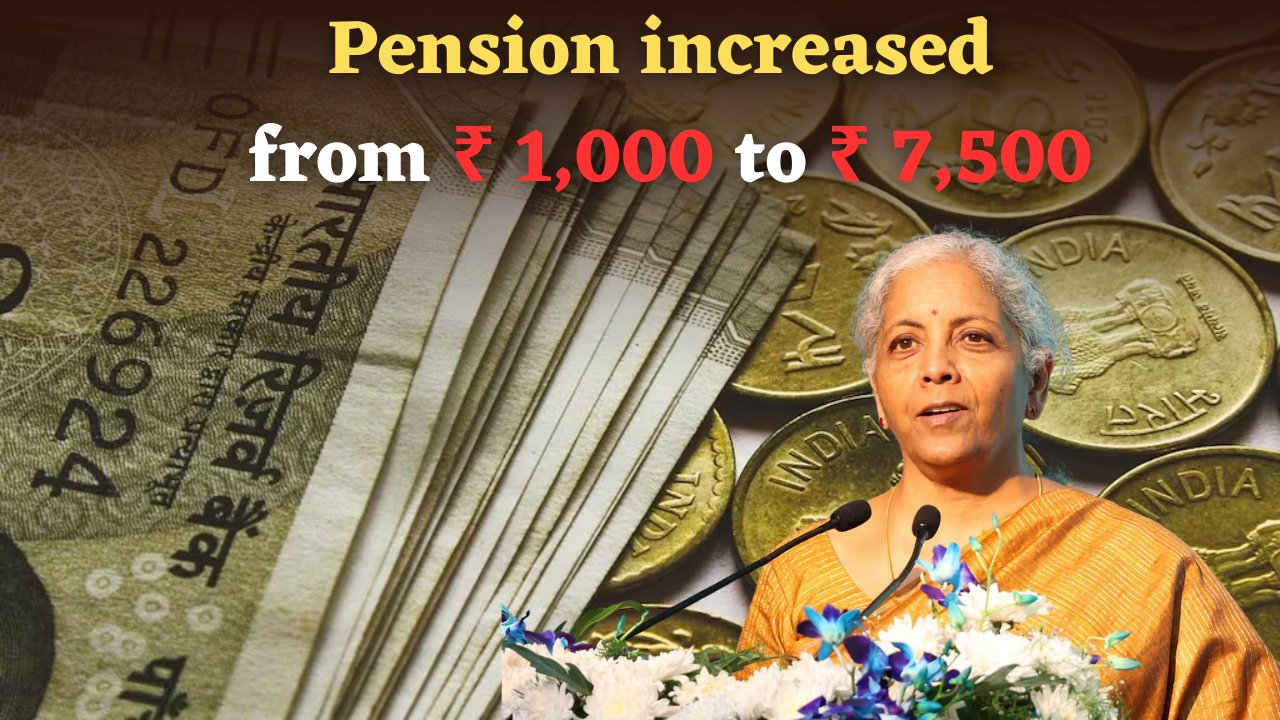
(EPS-95 Pension Scheme) : The Employees’ Pension Scheme (EPS-95) is a critical part of the Employees’ Provident Fund (EPF) structure, providing financial security to retired employees. Managed by the Employees’ Provident Fund Organization (EPFO), this scheme ensures a steady pension after retirement. Many beneficiaries of EPS-95 are unaware of the various benefits they can avail of, ranging from a minimum pension of ₹1,000 to as high as ₹7,500 per month. This article will explore the key benefits, eligibility, and steps to maximize your EPS-95 pension.
What is EPS-95 and Who Can Benefit?
The Employees’ Pension Scheme (EPS-95) was introduced by the government to provide post-retirement income security to employees working in organized sectors. It applies to employees who are part of the Employees’ Provident Fund (EPF) and have contributed to the scheme during their working years.

Key Features of EPS-95
- Managed by the Employees’ Provident Fund Organization (EPFO).
- Provides a fixed monthly pension post-retirement.
- Mandatory for employees earning a basic salary of up to ₹15,000 per month.
- Employees and employers contribute 12% each to EPF, out of which 8.33% of the employer’s contribution goes to EPS.
- Lifelong pension benefits for the pensioner and dependent benefits for family members.
Top 3 Benefits of EPS-95 Pension
1. Monthly Pension from ₹1,000 to ₹7,500
EPS-95 provides financial security by offering a fixed pension amount every month. The amount varies based on the employee’s salary, years of service, and contributions made to the fund.

2. Lifelong Pension with Family Benefits
One of the major advantages of EPS-95 is that it continues to provide pension benefits even after the pensioner’s death. The spouse and dependent children are entitled to receive pension benefits under the scheme.

3. Early Pension Facility
Eligible employees can start receiving their EPS pension from the age of 50 instead of 58. However, opting for early pension reduces the pension amount by 4% for each year before 58.
See More : Retirement Age Increased!
Eligibility Criteria for EPS-95 Pension
To avail of the benefits of EPS-95, an employee must fulfill the following eligibility conditions:
| Criteria | Details |
|---|---|
| Minimum Age | 58 years (50 years for early pension) |
| Minimum Service Period | 10 years of continuous service |
| Contribution | Must have contributed to EPF for at least 10 years |
| Salary Consideration | Pension amount is calculated based on the last drawn salary |
| Family Benefits | Nominees/spouse receive pension after the pensioner’s death |
Employees who meet these criteria can apply for their pension benefits through the EPFO portal or their employer.
How is EPS-95 Pension Calculated?
The monthly pension under EPS-95 is calculated using a predefined formula:
Pension Amount = (Pensionable Salary × Pensionable Service) / 70
Explanation of Terms
- Pensionable Salary: The average monthly salary of the last 60 months before retirement (maximum capped at ₹15,000).
- Pensionable Service: The total number of years an employee has contributed to EPS.
- Divided by 70: A fixed factor used in the EPS calculation formula.
Example Calculation
Let’s say an employee has a pensionable salary of ₹15,000 and has contributed for 30 years.
Pension = (₹15,000 × 30) / 70 = ₹6,428 per month
Employees with higher service years can receive a pension up to ₹7,500, while those with fewer service years may get around ₹1,000.
How to Increase Your EPS-95 Pension?
Many pensioners feel that their EPS-95 pension is too low. Here are some ways to maximize it:
1. Opting for Higher Pension Under EPS
The Supreme Court ruling allows employees to contribute higher amounts to their EPS based on their actual salary rather than the capped ₹15,000 limit. This can significantly increase pension payouts.
2. Delaying Pension Withdrawal
If you delay your pension beyond 58 years, the pension amount may increase proportionally.
3. Ensuring Full Contribution
Employees must ensure that their employer is correctly contributing 8.33% of their salary to EPS to maximize the pension amount.
| Strategy | Benefit |
|---|---|
| Higher Contribution (based on actual salary) | Increased pension amount |
| Delaying pension withdrawal beyond 58 | Higher monthly pension |
| Ensuring accurate employer contribution | Maximizing benefits over the years |
How to Apply for EPS-95 Pension?
Applying for an EPS-95 pension is straightforward and can be done online or offline.
Online Application Process
- Visit the EPFO Unified Portal.
- Log in using UAN (Universal Account Number) and password.
- Navigate to Pension Services and select Apply for EPS Pension.
- Fill in the necessary details and upload the required documents.
- Submit the form and track the status online.
Offline Application Process
- Visit the nearest EPFO office.
- Obtain Form 10D for pension application.
- Fill in the details and attach required documents (Aadhaar, PAN, bank details, service certificate).
- Submit the form to the concerned EPFO regional office.
Once the application is processed, pension payments begin directly into the applicant’s bank account.
Common FAQs About EPS-95 Pension
1. Can I withdraw my EPS pension before 58 years?
Yes, but only if you have completed 10 years of service. However, withdrawing before 58 will result in a reduced pension.
2. What happens to my pension if I die before retirement?
Your family (spouse and children) will receive survivor benefits under the EPS-95 scheme.
3. Can I transfer my EPS pension if I change jobs?
Yes, EPS contributions remain intact and continue accumulating until retirement.
4. Is EPS pension taxable?
Yes, the pension received under EPS-95 is taxable under Income Tax Act provisions.
5. Can an EPS pension be increased?
Yes, by opting for a higher pension contribution based on your actual salary, your pension amount can be increased.
EPS-95 provides financial security to retired employees with a guaranteed monthly pension ranging from ₹1,000 to ₹7,500. By understanding the eligibility criteria, calculation methods, and strategies to increase the pension amount, employees can make the most of their retirement benefits. If you are nearing retirement, ensure you apply correctly to enjoy the full benefits of this pension scheme.

For those yet to retire, consider maximizing your contributions and opting for a higher pension to secure a better financial future.