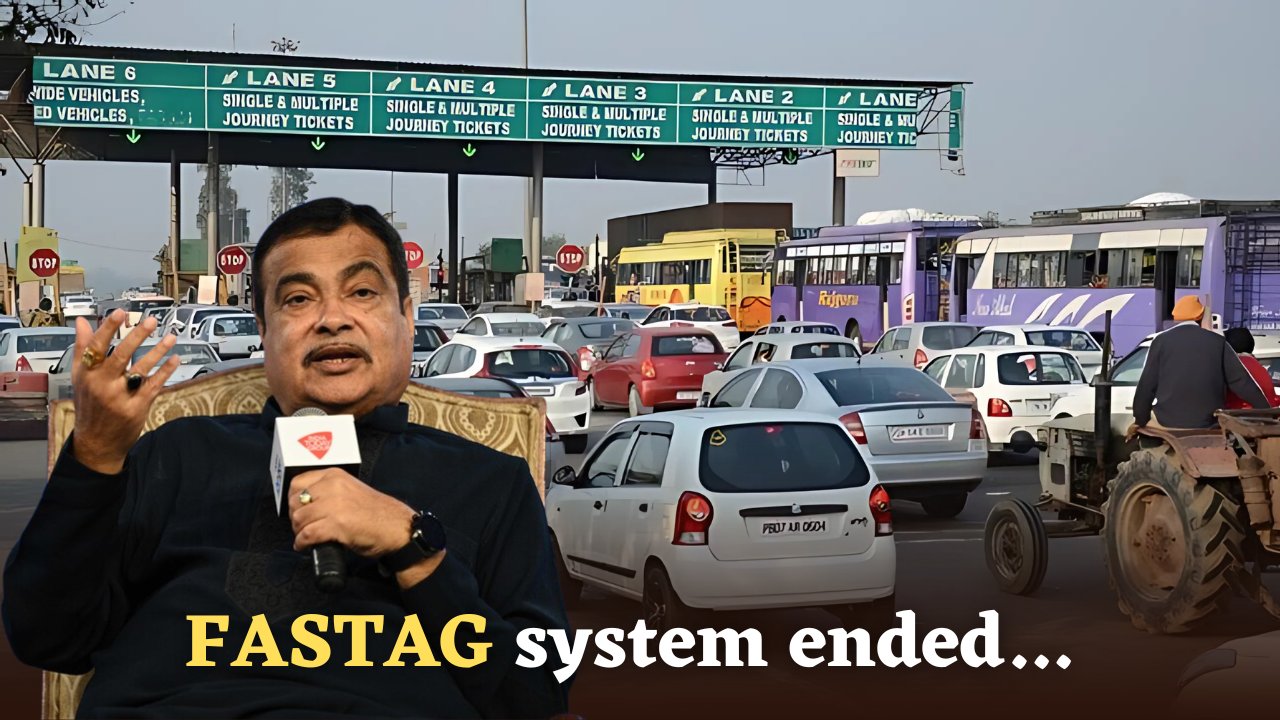
(FASTag Update) : In a major shift in India’s toll collection system, FASTag will no longer be used from March 1, 2025. The government has decided to replace FASTag with a new and more advanced toll collection system. This move aims to reduce congestion, improve efficiency, and enhance the overall travel experience for highway users. With this change, millions of vehicle owners must prepare for the upcoming transition.
Why is FASTag Being Discontinued?
FASTag was introduced to promote seamless toll collection and reduce cash transactions. However, several challenges have been observed over the years:

- Issues with incorrect deductions and failed transactions
- Frequent technical glitches in RFID scanning
- Long queues due to non-functional tags or insufficient balance
- Dependency on banks and payment gateways for recharges
- Fraudulent practices like tag cloning and unauthorized deductions
To overcome these challenges, the government is introducing a more reliable and advanced toll payment system.

The New Toll Collection System: How Will It Work?
The new toll collection system will be based on GPS-based toll deduction technology. Unlike FASTag, this system will not require physical toll booths or RFID tags. Here’s how it will function:

- GPS Tracking: Every vehicle will be linked to a government-authorized GPS system that tracks its movement on highways.
- Automatic Toll Deduction: The toll fee will be calculated based on the exact distance traveled on the highway.
- No Stoppage at Toll Booths: Since the system works on real-time tracking, vehicles will no longer need to stop at toll plazas.
- Direct Debit from Account: The toll amount will be deducted automatically from the linked bank account or e-wallet.
This transition is expected to eliminate traffic congestion at toll plazas and bring a hassle-free experience for highway travelers.
Key Benefits of the New Toll Collection System
The new system offers several advantages over FASTag:
- Distance-Based Tolling: Pay only for the distance you travel, unlike FASTag, which charges a fixed toll per toll booth.
- No Need for Physical Tags: Eliminates issues related to damaged or lost FASTags.
- Improved Traffic Flow: No waiting time at toll booths, reducing fuel wastage.
- Reduction in Toll Frauds: GPS-based tracking ensures fair toll collection without human intervention.
- Enhanced Convenience: Automatic deduction directly from bank accounts or e-wallets.
Changes and Requirements for Vehicle Owners
With the new system in place, vehicle owners must make certain preparations:

- Installation of Government-Approved GPS: All vehicles must be equipped with a GPS tracking device authorized by the transport department.
- Linking Bank Accounts: Toll payments will be directly debited from a linked bank account, UPI, or digital wallet.
- Updating Vehicle Registration Details: Owners must update their registration details to ensure accurate toll calculation.
- Checking GPS Compatibility: Vehicles already equipped with GPS may need software updates to comply with the new toll system.
- Adhering to New Rules: Failing to install the required GPS device may lead to penalties or restrictions on highway access.
See More : Post Office NSC Scheme
Comparison: FASTag vs. New GPS-Based Toll System
| Feature | FASTag System | GPS-Based Toll System |
|---|---|---|
| Technology Used | RFID Scanner | GPS Tracking |
| Toll Collection | Fixed at Toll Booths | Distance-Based Deduction |
| Physical Tag Required | Yes | No |
| Stopping at Toll Plaza | Required | Not Required |
| Fraud & Cloning Risks | High | Minimal |
| Installation Process | Requires FASTag | Requires GPS Device |
| Bank Linking | Through FASTag Provider | Direct to Bank Account |
| Accuracy of Toll Deduction | Fixed Per Booth | Based on Distance Traveled |
Impact on Highway Users and Transport Sector
For Private Vehicle Owners:
- No need to manually recharge toll accounts
- Fair pricing as toll is deducted based on distance traveled
- Reduced travel time on highways
For Commercial Transporters:
- Significant cost savings due to accurate toll calculation
- Less downtime due to seamless toll payment
- Easier compliance with national toll regulations
For the Government:
- Increased transparency in toll collection
- Reduction in toll-related frauds and revenue leakages
- Improved monitoring of vehicle movement for better highway management
Steps to Register for the New Toll System
To ensure a smooth transition, vehicle owners must follow these steps:
- Check GPS Compatibility: If your vehicle doesn’t have a GPS device, get one installed from an authorized service provider.
- Register with the New Toll System: The government will launch an official portal for registration.
- Link Payment Methods: Add your bank account, UPI ID, or digital wallet for automatic toll deduction.
- Verify Your Vehicle Details: Ensure your vehicle registration number and owner details are correctly updated in the system.
- Complete a Trial Run: Some states may implement a trial phase before the full rollout.
Potential Challenges in Implementation
While the new system promises many advantages, some challenges must be addressed:
- GPS Device Installation Cost: Some vehicle owners may find the installation cost burdensome.
- Technical Issues: Real-time tracking must be flawless to ensure accurate toll deductions.
- Rural Area Connectivity: Vehicles in remote areas may face issues with GPS signals.
- User Awareness: Educating millions of vehicle owners about the new system will require significant effort.
The shift from FASTag to a GPS-based toll collection system marks a significant transformation in India’s highway infrastructure. This new system aims to provide a fair, efficient, and seamless tolling experience for all road users. While the transition may come with initial challenges, the long-term benefits far outweigh the drawbacks. Vehicle owners should stay informed and ensure compliance with the new requirements before March 1, 2025.

Stay updated with official announcements to avoid last-minute confusion and penalties. The future of toll collection in India is set to become smarter and more convenient than ever before.