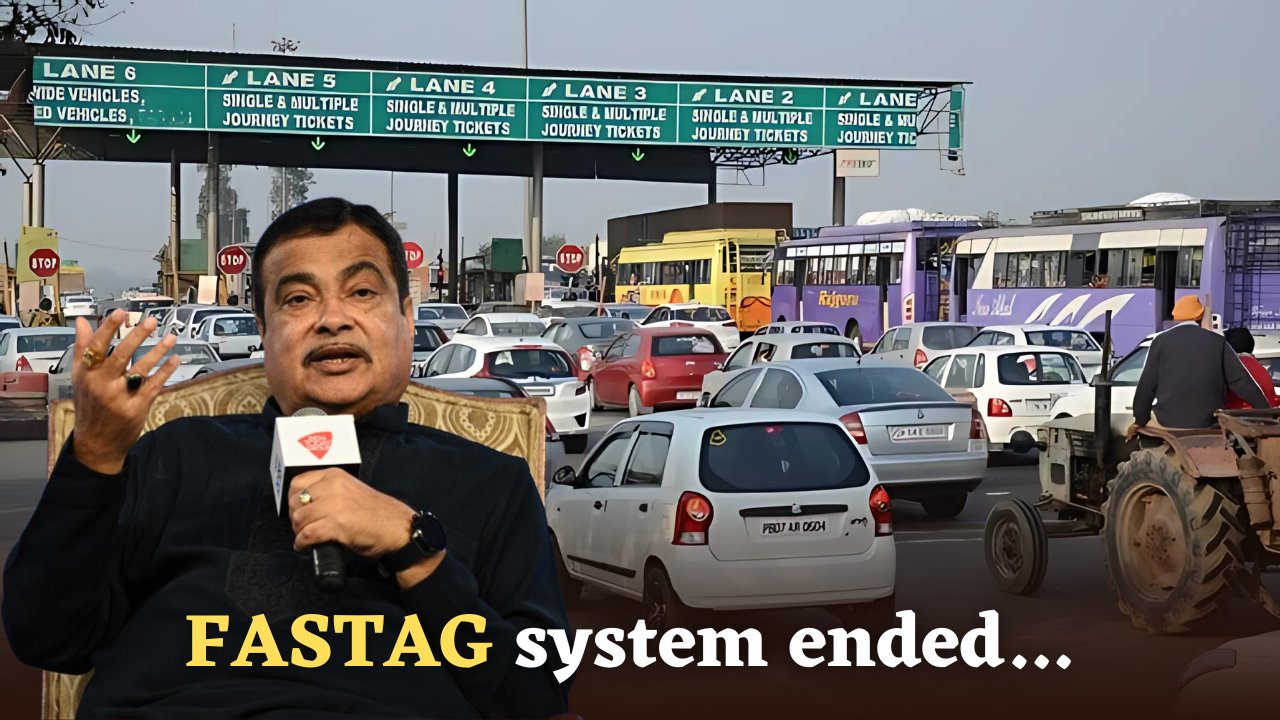
(New FASTag Update) : The era of FASTag-based toll collection is coming to an end. From March 1, 2025, the Indian government will introduce a new method for collecting tolls, making the process even more seamless and efficient. The upcoming changes are expected to eliminate many of the issues associated with FASTag while ensuring faster movement of vehicles on highways.
Why Is the FASTag System Being Discontinued?
The government has decided to discontinue FASTag for several reasons, including:

- Frequent Technical Glitches: Many users faced issues with FASTag scanners not working properly, leading to delays.
- Long Queues at Toll Plazas: Despite being a digital system, congestion at toll booths continued due to scanner failures and manual interventions.
- Issues with Recharge and Balance Deductions: Many users reported problems with balance not updating, double deductions, and delays in refunds.
- Advancement in Toll Collection Technology: The government plans to implement a more efficient and error-free system that does not require vehicles to stop.
What Is the New Toll Collection System?
The new toll collection system will be based on GPS-based toll deduction, which eliminates the need for physical toll booths. Here’s how it will work:

- No Stopping at Toll Plazas: Tolls will be deducted automatically based on the distance traveled on a highway.
- GPS-Based Tracking: A GPS device installed in vehicles will track movement and calculate toll charges.
- Automatic Payment from Linked Accounts: The toll amount will be deducted directly from the user’s bank account, UPI, or digital wallet.
- Elimination of Toll Plazas: Since toll collection will be automated, there will be no need for physical toll booths, reducing traffic congestion.
How Will the GPS-Based Toll System Work?
The new system will work in the following way:

- Every vehicle will be required to install a GPS-based toll tracking device.
- When a vehicle enters a toll road, its GPS coordinates will be recorded.
- As the vehicle moves along the highway, the system will calculate the distance traveled.
- The toll amount will be deducted from the linked payment method automatically.
- Once the vehicle exits the highway, the system will finalize the charge based on the total distance covered.
This system is expected to bring significant benefits in terms of time-saving, accurate toll calculations, and reduced fuel consumption due to fewer stops.
See More : Widow Pension Scheme
Benefits of the New Toll System
Here are the key advantages of implementing GPS-based toll collection:
- Faster Travel: No need to stop at toll plazas, reducing travel time.
- Accurate Toll Charges: Users will pay only for the distance they travel, ensuring fair pricing.
- No Need for Separate Tags: Unlike FASTag, which required users to install a sticker, the new system will work with GPS devices already available in vehicles.
- Reduction in Fuel Consumption: Continuous movement without stopping at toll plazas will reduce fuel wastage.
- Elimination of Traffic Congestion: Since toll booths will no longer be needed, there will be no traffic jams due to toll collection.
Differences Between FASTag and the New GPS Toll System
The following table highlights the key differences between FASTag and the upcoming GPS-based toll system:
| Feature | FASTag System | GPS-Based Toll System |
|---|---|---|
| Technology Used | RFID (Radio Frequency Identification) | GPS-Based Tracking |
| Toll Deduction | Based on vehicle crossing a toll plaza | Based on distance traveled on the highway |
| Stopping Required? | Yes, at toll plazas | No, tolls deducted automatically |
| Payment Mode | Linked FASTag wallet | Bank account, UPI, or digital wallets |
| Traffic Congestion | Still present at toll booths | Eliminated due to seamless toll collection |
| User Hassle | Requires manual top-up, balance checks | Automatic payments, no user intervention needed |
| Government Implementation Plan | Being phased out | Full implementation from March 1, 2025 |
How to Register for the New Toll Collection System?
To use the new toll system, vehicle owners will need to follow these steps:
- Get the GPS Toll Device Installed: The government will provide details on how to install the required GPS-based tracking device.
- Link Payment Method: Users must link their bank accounts, UPI, or digital wallets for automatic toll deductions.
- Verify Registration: Once installed, the system will require verification and activation by the authorities.
- Start Using: Once the system is active, tolls will be deducted automatically whenever the vehicle enters a toll road.
Expected Challenges in Implementing the New System
While the new toll collection method has numerous benefits, some challenges need to be addressed:
- Initial Cost of GPS Installation: Vehicle owners may have to bear the cost of installing the new device.
- Public Awareness and Adaptation: Many users may take time to understand and adapt to the new system.
- Connectivity Issues: The system relies on GPS signals, which may face challenges in remote areas.
- Data Privacy Concerns: Since GPS tracking is involved, users may have concerns regarding their travel data security.
The government is expected to address these challenges through subsidies, awareness campaigns, and robust data security measures.

Frequently Asked Questions (FAQs)
1. Will I need to replace my FASTag?
Yes, FASTag will no longer be in use after March 1, 2025. You will need to switch to the GPS-based toll system.
2. How will tolls be deducted?
Tolls will be deducted based on the distance you travel on a highway, directly from your linked bank account or wallet.
3. Will there still be toll plazas?
No, physical toll plazas will be phased out since tolls will be collected automatically.
4. What if my vehicle does not have a GPS device?
All vehicles will be required to install a GPS-based toll tracking device before using toll roads.
5. Is there a penalty for not installing the GPS device?
Yes, vehicles without the required GPS device may face fines or restrictions from using highways.
6. Can I still use cash for tolls?
No, the new system will be entirely digital, and cash payments will not be accepted.
7. What happens if my linked account has insufficient funds?
In case of insufficient funds, the system may flag the vehicle, and fines or penalties may apply.

The discontinuation of FASTag marks a major shift in India’s toll collection system. The new GPS-based toll deduction system promises faster travel, accurate toll calculation, and a hassle-free experience for commuters. While challenges exist, the long-term benefits far outweigh the drawbacks. As the system rolls out, vehicle owners should prepare for the transition by installing the necessary GPS devices and linking their payment methods. The move is expected to revolutionize highway travel in India, making it smoother, faster, and more efficient.